
Many people want a workout that builds strength and burns calories without risk of injury. Heavy lifting can feel unsafe, while fast cardio sessions often put too much stress on the body. The result is uncertainty about which program delivers steady results.
This can be discouraging, especially when progress feels slow or inconsistent. Without a clear plan, it’s easy to lose motivation and stop training altogether.
Pump workouts provide a balanced option. Using light to moderate weights with high repetitions, each class works every major muscle group while keeping the impact low. The format combines resistance and cardio, which supports calorie use, muscle tone, and endurance.
Because weights are self-selected, the class suits all experience levels. This makes it a reliable method for people aiming to get stronger, build confidence, and improve fitness without high-impact strain.
What is a Pump Workout?
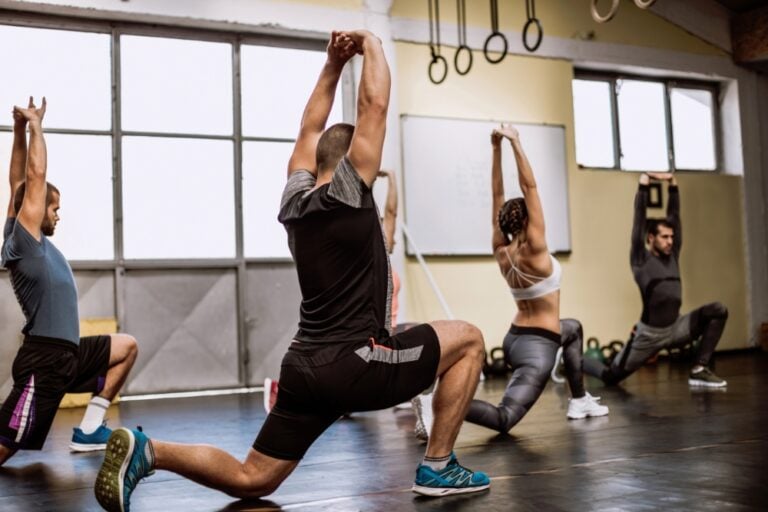
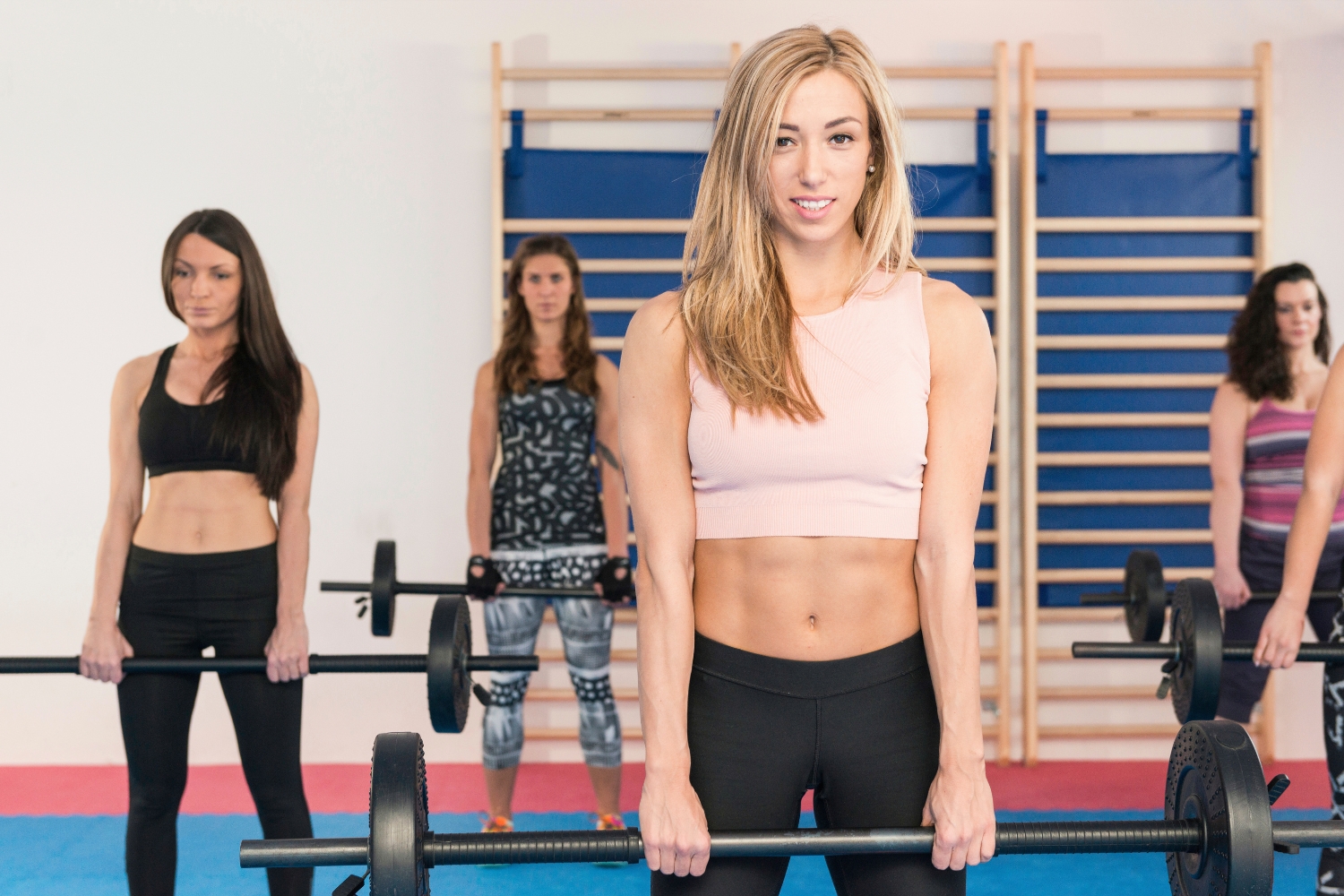
Pump is a resistance-based class that uses light to moderate weights with high repetitions. Each track in the session targets a specific muscle group such as legs, chest, back, shoulders, arms, and core. Movements include squats, lunges, presses, and rows, all performed with control to maintain proper form.
A standard class runs for 45 to 60 minutes. Music provides pacing, with short rest breaks between tracks to reset before moving into the next muscle group. This structure combines the benefits of resistance training and aerobic activity, keeping muscles engaged while also raising heart rate.
Unlike heavy lifting, pump is designed to build endurance and strength through sustained effort rather than maximum load. This makes it suitable for a wide range of fitness levels, from beginners to experienced participants. The consistent format allows gradual progress over time while reducing the risk of injury. For many, this balance of intensity and safety makes pump one of the most accessible ways to improve overall fitness.
How Pump Builds Muscle Tone
Muscle tone refers to firm, defined muscles without excess bulk. Achieving this requires a mix of resistance training and lowering body fat levels. Pump sessions are structured to support both goals by keeping muscles under tension for longer periods while maintaining a high number of repetitions. This repeated effort encourages lean strength and definition rather than size.
The format also spreads work across all major muscle groups, preventing imbalances and promoting better posture. For example, a session may follow a chest track with a back track, ensuring opposing muscles are trained evenly. This creates symmetry and reduces strain on joints.
Another advantage is safety. Because the weights used are lighter than traditional strength training, participants are less likely to overload joints or risk injury. The controlled pace of each track further reduces stress on the body while still delivering results.
Over time, this consistent approach improves muscle endurance and appearance. For people seeking visible progress without the risks linked to heavy lifting, pump provides a practical path to building strength and definition.
Calorie Burn and Recovery Effect
Pump training supports calorie use both during the class and in the hours after. A typical 45–60 minute session can burn between 300 and 600 calories, depending on body weight, effort, and the load used. The combination of high repetitions and continuous movement raises the heart rate, which increases energy use while training.
The benefits continue once the class is finished. When muscles are worked to fatigue, the body uses additional oxygen and energy to recover. This post-exercise effect means calories continue to be used as the muscles repair and adapt. Over time, this process improves conditioning and contributes to fat reduction.
Another factor is lean muscle growth. As muscle mass increases, resting metabolism rises. This means more calories are burned even when not exercising. For anyone aiming to manage weight while also building strength, pump offers a balanced solution. It combines the calorie use of aerobic training with the endurance benefits of resistance work, creating an efficient way to support both fitness and body composition goals.
Suitable for Different Fitness Levels
Pump is designed to suit a wide range of participants because each person selects their own weights. Instructors guide technique and offer modifications so movements can be scaled up or down depending on ability. This flexibility makes it approachable for beginners while still challenging for experienced members.
For those returning to exercise after a break, starting with light weights or even just the bar helps build confidence. Older adults often find pump valuable because it supports mobility and strengthens joints without the impact of high-intensity cardio. The structured tracks ensure progress comes gradually, avoiding sudden increases that may lead to strain.
The variety of muscle groups worked in a single class also helps participants improve balance and coordination. Whether someone is new to fitness, rebuilding strength, or aiming to maintain a consistent routine, pump provides an option that adapts to individual needs. Its inclusive format allows participants to progress safely, making it a reliable workout choice across all stages of fitness.
Long-Term Benefits
Consistent pump training produces changes in strength, movement, and overall wellbeing. Over time, participants build lean muscle that improves body composition while also supporting everyday activities. Improved posture and stronger core control make sitting, standing, and lifting tasks easier and safer.
Balance and coordination also improve because the class structure works opposing muscle groups in the same session. This balanced approach reduces the chance of strain and helps maintain joint stability. Regular attendance supports endurance, meaning participants can sustain activity for longer periods both inside and outside the gym.
The benefits extend beyond physical performance. Routine exercise is linked to better mental health, with reduced stress and improved motivation being common outcomes. The group setting adds accountability, as training alongside others encourages consistency. Tracking progress across weeks of classes also builds confidence, reinforcing commitment to fitness goals.
For anyone aiming to create lasting change, pump delivers results through steady improvement rather than short-term effort. It supports both physical and mental health, making it a workout style that contributes to sustainable fitness over time.
Pump Classes at Active Fitness Medowie
At Active Fitness Medowie, pump is part of a broad program that supports community fitness. Our group fitness Medowie timetable includes strength, cardio, and mobility sessions, giving members choice and variety.
Instructors lead each pump class with a focus on correct form and safe progression. Members receive guidance that suits their individual ability, whether starting out or continuing long-term training.
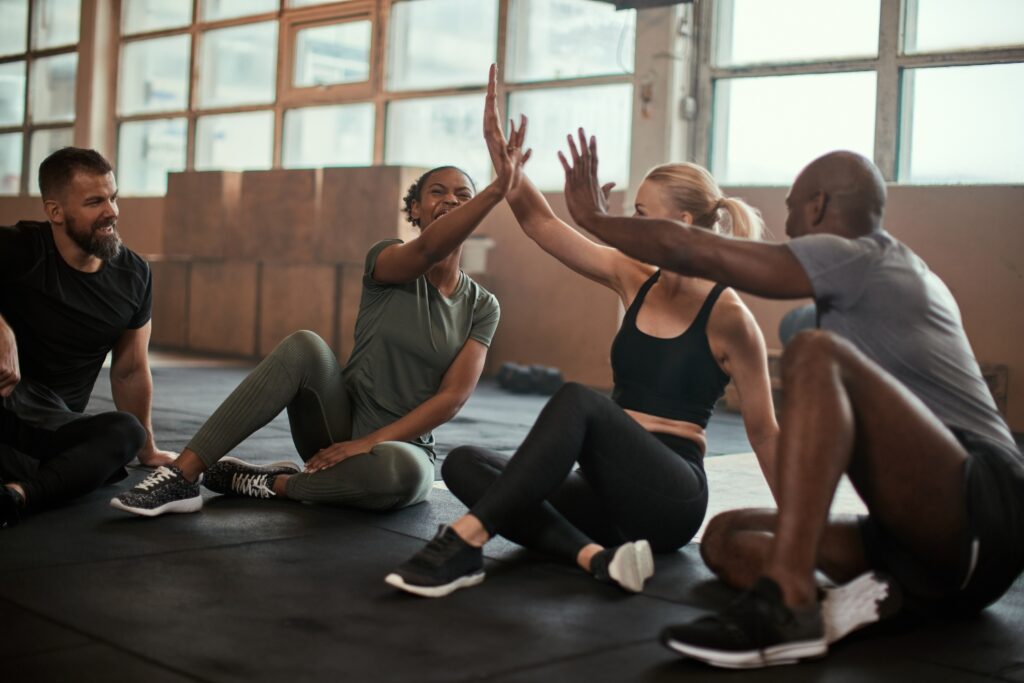
The group setting helps build accountability, with participants supporting each other to stay active. This sense of community is a key part of our approach, creating an environment where fitness becomes a sustainable habit. Pump contributes to that by offering a structured option that keeps members engaged and motivated across the week.
FAQs
Do pump classes improve bone health?
Yes. The resistance work in pump stimulates bone density and lowers osteoporosis risk. Movements like squats and presses strengthen both muscles and bones.
Is equipment provided for pump classes?
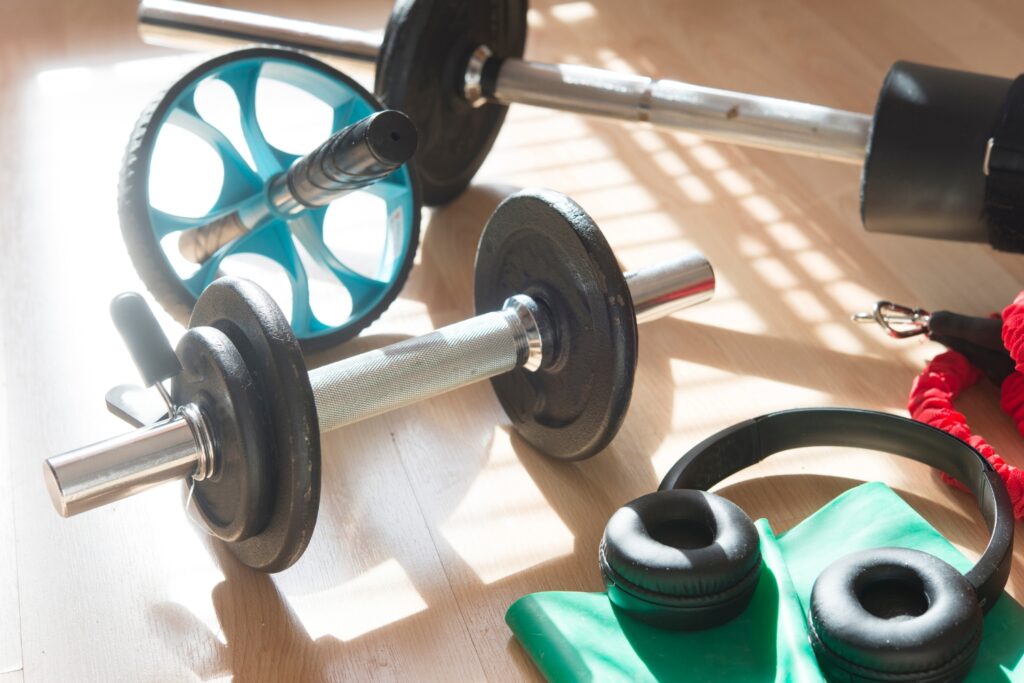
Yes. Bars, plates, and steps are supplied. Participants adjust the weight to their level. Optional items such as gloves or mats can be brought for comfort.
Can pump be combined with other workouts?
Yes. Pump complements activities like running, cycling, and yoga. Alternating sessions avoids fatigue and creates a balanced program across strength and cardio.
How long does it take to see results from pump?
Most participants notice improvements in strength and endurance within six to eight weeks of consistent training. Visible muscle tone may take longer, depending on diet and frequency.
Is pump suitable during injury recovery?
It depends on the injury. Light weights and modified movements may help, but medical clearance is recommended before returning to structured exercise. Instructors can provide adjustments if needed.