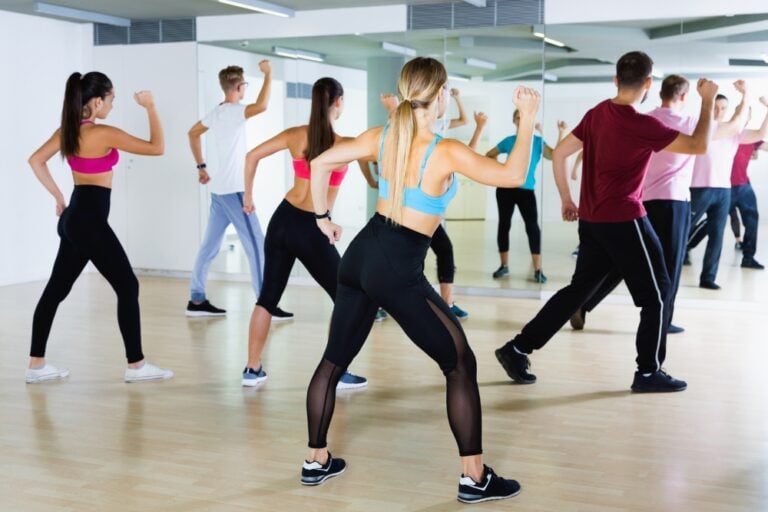

Fitness is changing quickly, with new approaches influencing how people train, recover, and stay on track. More people are moving away from short-term routines and looking for methods that fit into everyday life, use simple tools, and support both physical and mental health.
Looking ahead to 2026, it’s important to focus on trends that support long-term progress—not temporary fixes. Choosing the right methods early helps avoid wasted effort and keeps training consistent.
Below are six fitness trends expected to guide how Australians train in 2026, based on current habits, demand, and what continues to deliver results.
Flexible Hybrid Training
In 2026, hybrid training will become a standard approach. Members want flexibility, not just convenience. This model combines in-gym sessions with virtual classes or trainer check-ins—allowing the same coach or program to guide training no matter where it’s done.
Busy routines, travel, and changes in location no longer mean stopping progress. A hybrid setup allows members to switch between gym, home, or outdoors, while following a single program. Results remain trackable and supported by trainers even when session formats vary.
This also reduces common drop-off points seen in seasonal shifts, family commitments, or illness. The member stays in control of time and output while still receiving consistent structure.

Smarter HIIT with Focused Formats
High-Intensity Interval Training (HIIT) is still relevant—but in 2026, we expect it to become more structured, not just intense. Programs will shift from random circuits to task-based intervals aimed at mobility, recovery, and joint safety.
HIIT now blends better with functional training and progressive overload principles. Sessions can be short but focused, using bodyweight, kettlebells, or resistance tools in patterns that improve range and balance, not just speed.
New HIIT formats will suit various needs: low-impact versions for recovery, strength-based for power output, or aerobic-based for endurance. This keeps the method useful without overloading the body.
The trend is no longer about how hard it feels—it’s about what the intervals deliver.
Wearables with Deeper Health Data

Fitness trackers have been around for years, but 2026 will bring more focus on recovery scores, heart rate variability, sleep quality, and movement patterns—not just steps or calories.
Members will use wearables to decide when to train, how hard to push, or when to focus on recovery. Devices now link directly with training apps or coaching platforms, offering real-time feedback during group classes or solo workouts.
This supports individualised planning. Two people in the same class can follow different intensity zones based on their tracked recovery. Coaches can adapt programs based on this input, keeping training effective and safe.
Functional Strength Remains a Core Priority
In 2026, gym-goers will continue shifting away from isolated movements and focus on real-world strength. Functional strength targets balance, coordination, range of motion, and stability—reducing injury risk and building better performance for daily activity.
Movements like loaded carries, sled pushes, kettlebell swings, and landmine presses will take priority over machine-based routines. This shift also improves movement control and makes training easier to maintain long-term.
Trainers now structure programs around movement quality and mobility, not just reps or load. Whether training for sport, work performance, or general health, the result is stronger, more injury-resistant movement across the board.
Training That Supports Mental Recovery
The demand for structured stress reduction will grow further in 2026. Gym environments will include sessions that support mental recovery alongside physical training. Expect to see more low-intensity sessions programmed intentionally—not as rest, but as active recovery with mental benefits.
Breath work, guided stretching, or light mobility work is now recognised as training—not downtime. These sessions help regulate sleep, reduce stress levels, and build discipline without fatigue.
Fitness is no longer about doing more. It’s about doing what supports recovery and readiness. These slower sessions also help reduce overtraining, which remains a common issue in self-led fitness routines.

Train Smarter in 2026 with Active Fitness Medowie
At Active Fitness Medowie, we focus on methods that work—not just what’s popular. Our trainers design sessions based on real progress, consistent structure, and recovery support. We don’t chase every trend—we track what delivers steady results and adjust programs as needed.
In 2026, training needs to be flexible, efficient, and safe. That means using formats that fit your schedule, training level, and recovery needs. Whether it’s strength, mobility, or overall movement, we support it with structured guidance—not guesswork.
Come in and see how we work. Talk to our trainers, try a session, or join a group class. Everything we offer is built to help you train consistently across the year—not just for a few weeks.
Visit us to start your 2026 training with a clear plan and long-term mindset.
FAQs
Will group classes still be relevant with hybrid training?
Yes. Group classes remain important for community and structure. Hybrid programs simply give members more ways to access them based on schedule and location.
Is wearable tech worth using for beginners?
Yes. Even basic wearables help track sleep, heart rate, and activity levels. This information helps set better routines and avoid overtraining.
Are HIIT workouts safe for all levels?
When designed properly, yes. Trainers adjust intensity, volume, and movement types based on fitness levels. Not all HIIT needs to be fast or high-impact.
How does functional strength differ from regular strength training?
Functional strength targets full-body movements that reflect daily tasks. It focuses on coordination, joint control, and strength in real ranges—not just lifting heavy weight.
Should mental wellness be part of a training program?
Yes. Structured recovery sessions, sleep tracking, and mental reset techniques help improve consistency and long-term health outcomes.