

Many people avoid group fitness because they believe they are not fit enough or will struggle to keep up. This often leads to long breaks from exercise and missed opportunities to improve health and confidence.
The real issue is that many classes feel unapproachable. Fast routines, heavy equipment, and competitive formats can leave beginners overwhelmed before they even start. Without a supportive entry point, it’s easy to give up and continue a cycle of inactivity.
Circuit training offers a way forward. Using timed stations, each session balances strength and cardio while allowing participants to move at their own pace. Trainers provide clear guidance, modifications, and encouragement, making the format suitable for both beginners and experienced members.
This article explains how circuit training works, why it suits new starters, what to expect in a session, and the benefits of consistent participation.
What Is Circuit Training?
Circuit training is a structured workout where participants move through a series of exercise stations with short rest periods in between. Each station targets different parts of the body, such as upper body, lower body, or core, and the routine usually lasts 30 to 60 seconds per exercise before moving on.
A class might include squats, push-ups, rowing, cycling sprints, kettlebell swings, planks, or medicine ball slams. Because the format is time-based rather than repetition-based, every person can work at a pace that suits their ability. This makes it an adaptable style of training that provides a full-body workout within a set timeframe.
Sessions are typically 45 minutes, including warm-up and cool-down. The combination of strength and cardio helps build endurance while improving coordination and mobility. Trainers also provide guidance and adjustments to ensure each participant works safely.
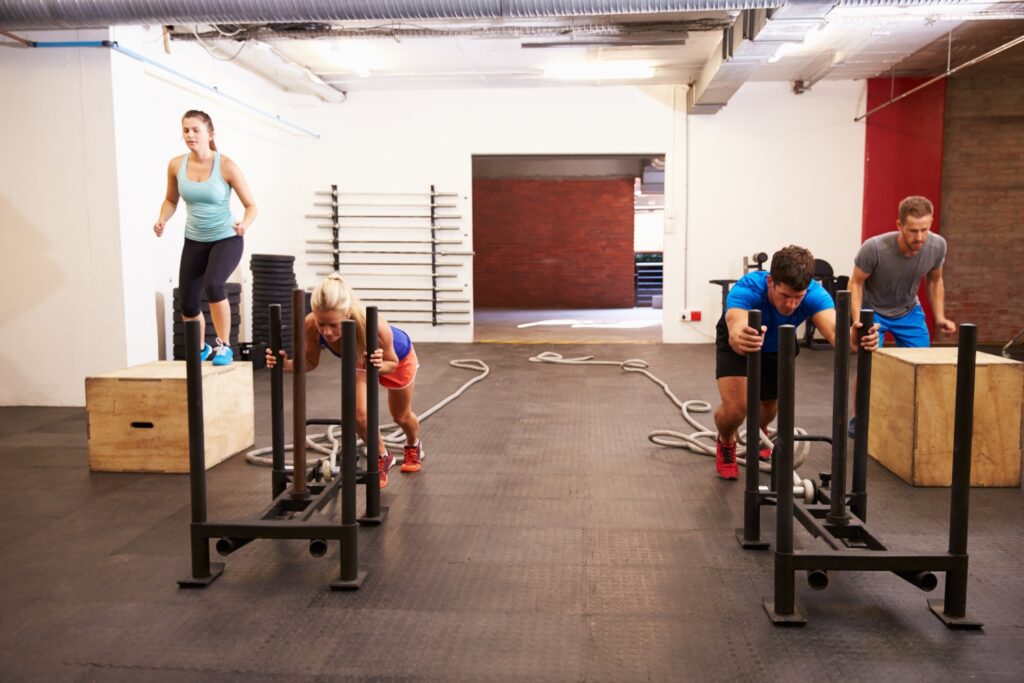
Many gyms now run circuit training classes that suit a wide range of fitness levels. These sessions provide structure, variety, and progression while allowing beginners and regular gym-goers to train side by side.
Why Beginners Do Well in Circuit Classes
Many people assume circuit classes are only for advanced fitness levels, but the format is designed to be inclusive. Because sessions are time-based rather than repetition-based, participants work at their own pace for the set duration. This reduces pressure and removes the need to keep up with others.
Instructors also provide variations so exercises can be adapted. Push-ups can be done on the knees, squats adjusted to half depth, and resistance replaced with bodyweight versions. This flexibility allows beginners to progress safely without feeling out of place.
Key reasons beginners do well include:
- Work at your own pace with no pressure to match others
- Variety in each session through different stations and movements
- Supportive environment where guidance is offered without competition
This structure keeps the workout engaging while encouraging steady improvement. For many new participants, the balance of variety, safety, and support makes circuit classes an effective starting point for regular exercise.
What You Can Expect in a Class
A typical circuit class begins with a warm-up led by the instructor, followed by an explanation of the day’s stations. Each participant is shown how to perform the exercises safely, with modifications available for those who need them. The group is then divided to rotate through the stations, spending a set time at each before moving on.
The exercises usually cover strength, cardio, and core movements to provide a balanced workout. Sessions run for around 45 minutes, including warm-up and cool-down, and are designed to keep participants engaged while building stamina. Most people are focused on their own station, so there is no pressure to compete with others.
Stations often include:
- Bodyweight movements such as squats, planks, or lunges
- Cardio bursts using rowers, bikes, or step-ups
- Resistance training with dumbbells, bands, or kettlebells
- Core-focused exercises like twists, holds, or leg raises
The combination of variety, instructor support, and group energy helps ensure participants leave feeling challenged but accomplished.
The Physical and Mental Benefits
Circuit training combines strength and cardio in a single session, which means participants gain improvements in multiple areas of fitness at once. The timed format allows the body to adapt gradually while still providing a high level of engagement and energy throughout the class.
Over time, regular attendance can deliver measurable results. Many people notice improved strength in the core and supporting muscles, better posture, and increased stamina for everyday activities. The balance of cardio and resistance training also supports weight management and overall conditioning.
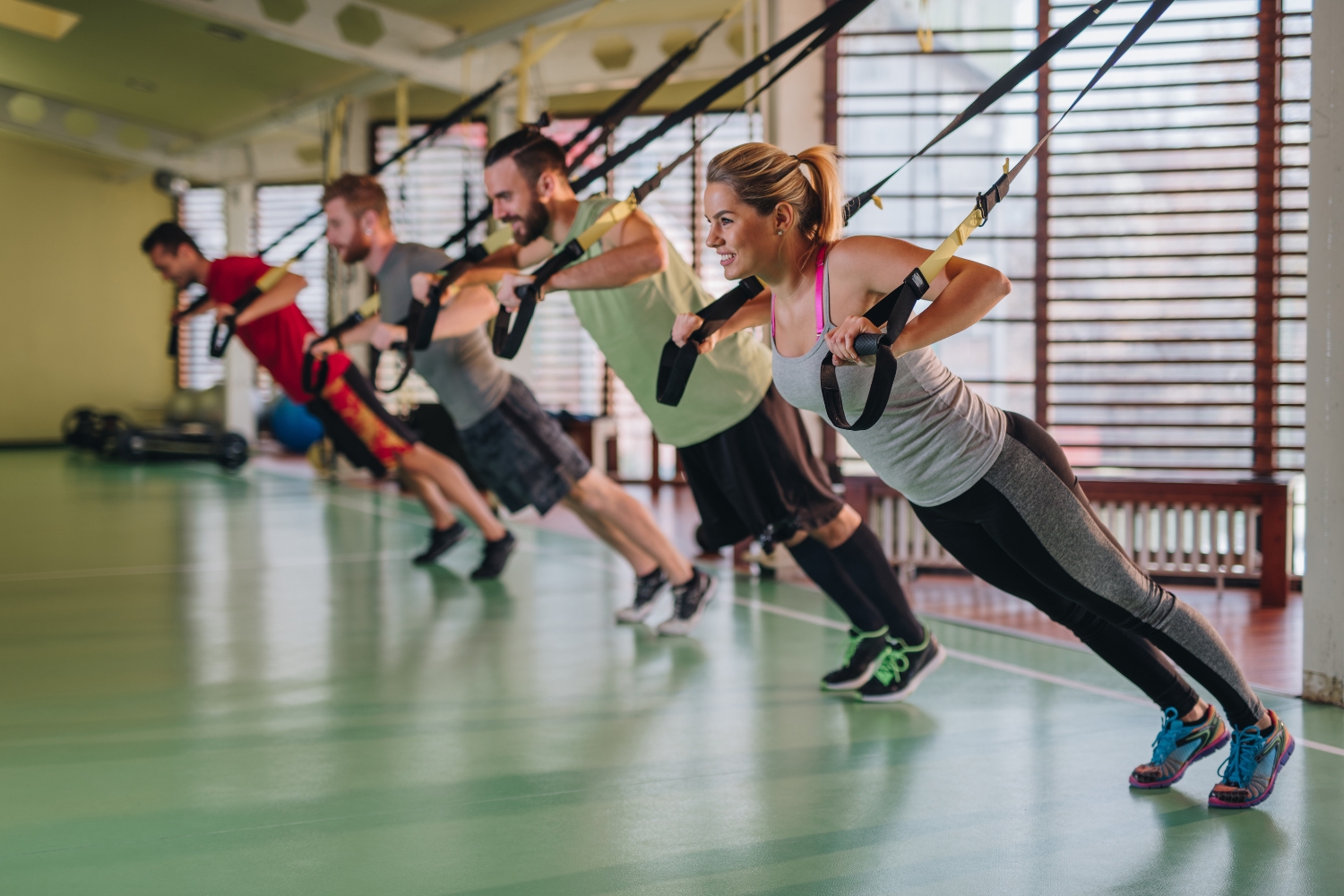
Consistent participation often provides benefits such as:
- Improved cardiovascular fitness from high-intensity intervals
- Greater muscle endurance through repeated strength movements
- Better coordination and mobility with varied exercises
- Reduced stress and mental clarity supported by group training routines
Members often report feeling more energised after sessions, even if they arrived tired from work or other commitments. The structure of the classes helps create a routine that is easier to maintain long term, while the group environment provides accountability and motivation.
What If You Have Injuries or Concerns?
Circuit classes are adaptable, but it is important to inform the instructor about any injuries or health concerns before starting. With this knowledge, the trainer can provide modifications that reduce strain while still allowing safe participation. Safety and comfort remain the focus at every stage of the session.
Exercises can be adjusted in simple ways. Push-ups can shift to wall push-ups, squats can use a smaller range of motion, and weights can be replaced with lighter resistance or bodyweight options. These changes allow participants to strengthen muscles without unnecessary stress on joints or injured areas.
Attending a class while recovering from injury may also be helpful when performed carefully. The structured environment supports rebuilding strength at a steady pace and lowers the risk of setbacks. With attention to technique and variety, participants can work around limitations without feeling excluded.
Clear communication with the instructor and listening to personal limits helps ensure circuit training remains safe and effective, even for those managing ongoing concerns.
Join Circuit Classes in Medowie
Active Fitness Medowie runs circuit classes designed for all fitness levels. Each session is structured to build strength, stamina, and coordination in a supportive group setting.
Classes combine cardio, resistance, and core training in a way that is adaptable to beginners while still challenging for experienced members. Instructors provide guidance, modifications, and encouragement to help everyone progress at their own pace.
To get started, bring water, wear comfortable clothing, and arrive ready to rotate through the stations. Consistent attendance can improve overall fitness and provide a routine that is easy to maintain.
Circuit training offers a practical and effective way to stay active, develop strength, and improve mobility in a structured format. With the right support, each class helps build confidence and long-term commitment to exercise.