
Most people focus on strength or cardio, but often ignore mobility. That choice limits performance, creates stiffness, and slows down results. When joint movement is poor, it affects how you train and how you move through everyday tasks.
Tight hips, limited shoulders, or stiff ankles all reduce control and stability. This leads to poor technique, added strain on other joints, and greater risk of pain or injury.
Mobility exercises restore movement by training joints through their full active range. It improves how the body moves under load, supports joint control, and helps prevent compensation. Whether you train at a gym, do sport, or just want to feel better moving through the day, mobility work is essential.
Improve How Joints Move in Training and Daily Life
Sitting for long periods or doing repetitive tasks restricts natural movement. Hips, shoulders, ankles and the spine are commonly affected. This stiffness limits how the body performs basic tasks like reaching, bending or stepping.
Mobility training targets the joints directly. It involves slow, controlled movements that build awareness and control at end range. The goal is to allow the body to move better, not just stretch passively.
When joints move properly, daily activities require less effort. Getting out of a car, reaching high shelves, or tying shoes becomes easier. It also improves how exercises are done in training. Squats become deeper with stable ankles and hips. Overhead presses feel smoother when shoulders move well. This reduces compensation and allows proper technique to develop.
Good mobility supports how the body moves at rest and under stress. It allows for better posture, stronger performance, and fewer mechanical restrictions.
Reduce Injury Risk Through Better Joint Control
Poor mobility often forces the body to compensate. If a joint is stiff, nearby areas take on the strain. Limited ankle motion shifts load to the knees. Tight shoulders can cause the lower back to arch. These changes may lead to pain or overuse injuries.
Mobility exercises train control. Moving joints through their full range builds resilience. This prepares the body to handle exercise loads without relying on poor form.
Improved mobility also means better warm-ups and fewer gaps in movement readiness. Muscles and joints are better primed for tasks like lifting, pushing or running. This helps reduce setbacks and supports long-term consistency.
Whether training in a gym or doing day-to-day tasks, mobility builds a stronger base. It limits the chance of movement errors that could lead to injury and improves how the body adapts to physical stress.
Move Better in Group Fitness and Strength Work
Training outcomes are influenced by movement quality. When joints move through full range, exercises can be performed with better form. This supports correct muscle activation and reduces injury risk.
Weight-based exercises like squats, deadlifts and presses all rely on good joint mechanics.
For example:
- Hip and ankle mobility allow deeper squats without the knees collapsing.
- Shoulder and thoracic mobility support safer overhead movements.
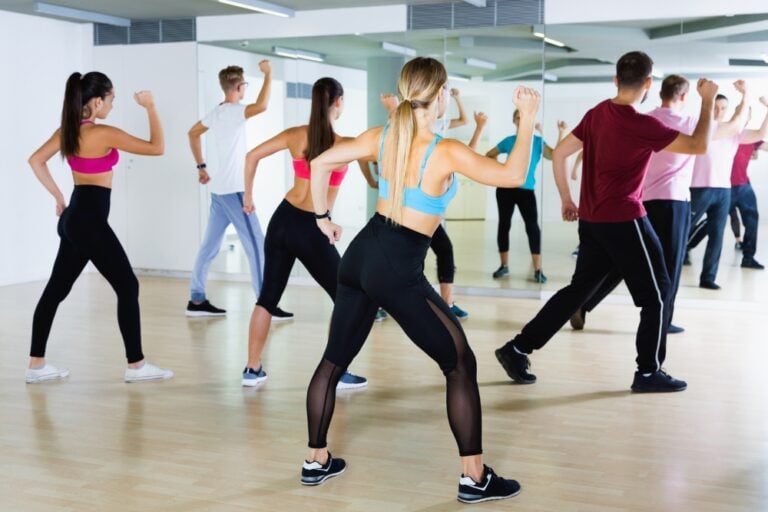
The benefits also apply to group classes. Better mobility helps with pacing, position and endurance in sessions like Pump, BoxFit, Circuit or Yoga. The body feels lighter, reacts quicker, and recovers faster when joints move freely.

Improving mobility supports better results from each session and helps maintain progress across different training styles.
Reduce Stiffness and Improve Daily Comfort
Mobility work helps reduce joint stiffness, improve muscle control, and support movement in tasks such as walking, lifting, or carrying.
Many people feel discomfort from sitting or repeating the same movements at work. Over time, this can lead to poor posture and joint imbalance. Mobility training addresses these issues by restoring joint health and coordination.
It also improves body awareness. Small movements like turning, reaching or standing feel smoother. Postural adjustments become easier to maintain. These changes can reduce fatigue and support better comfort through the day.
This helps not just in the gym but also in home life, travel, and community activities. Moving without restriction means fewer aches and better energy.
Simple Ways to Add Mobility Work to Your Training
Mobility training can be done in short periods before or after workouts. It can also be included during rest periods between strength sets or added to warm-ups.
Focus on joints that feel restricted. Common examples include:
- Controlled articular rotations for hips and shoulders
- Ankle dorsiflexion drills
- Thoracic spine mobility with foam rollers or wall exercises
Keep the pace slow and controlled. Speed is not the goal. Control and end-range strength are what build lasting improvements.
Mobility work fits into most routines with minimal time and equipment. It is especially useful for people returning from injury, starting a new program, or wanting to stay active long-term.
Start with Active Fitness Medowie
Mobility helps you train better, reduce injury risk, and feel more comfortable every day. It’s a core part of building a stronger and more capable body.
At Active Fitness Medowie, we include mobility support in multiple ways:
- Weekly Functional & Mobility Training sessions
- Individual assessments from Personal Trainers
- Group Classes that reinforce good joint movement
Our team works with locals from Medowie, Raymond Terrace, Tanilba Bay and the wider Port Stephens region. If you’re ready to add mobility to your routine, contact us to get started.