If you have recently been diagnosed with Parkinsons, or you have been managing it for a while, you have probably had a doctor tell you that exercise is medicine. It is a bit of a cliché, but in this case, the science backs it up.
The goal isn’t about hitting personal bests on a bench press or running a marathon. It is about neuroplasticity. This is basically teaching your brain to find new pathways to move your muscles.
In Medowie, we see plenty of locals looking to stay mobile and independent. Here is a breakdown of what works, why it works, and how to get started without feeling overwhelmed.
1. High Intensity Capacity Training
This sounds more intimidating than it is. It is not about The Biggest Loser style sweating. It is about forced intense exercise. Research shows that pushing your heart rate up a bit higher than you might think you can help the brain process dopamine better.
What this looks like: Instead of a slow stroll, it is a brisk walk where you are huffing a little. On a stationary bike, it is pedalling at a higher RPM (around 80) even if the resistance is low.
2. Big and Loud Movements
Parkinsons tends to make movements small. Steps get shorter, and handwriting gets tinier. To fight this, you need to practice the opposite.
We focus on exaggerated movements. Big arm swings, high steps, and wide reaches. It is about recalibrating your internal sense of how much space you are taking up.
3. Balance and Agility (The Don’t Fall Factor)
Falls are the biggest worry for most people we talk to. Training your balance isn’t just about standing on one leg. It is about dual tasking.
Can you walk in a straight line while catching a ball? Can you step over an obstacle while telling someone what you had for breakfast? This mimics real life, like navigating a busy Woolies aisle while looking for the bread.
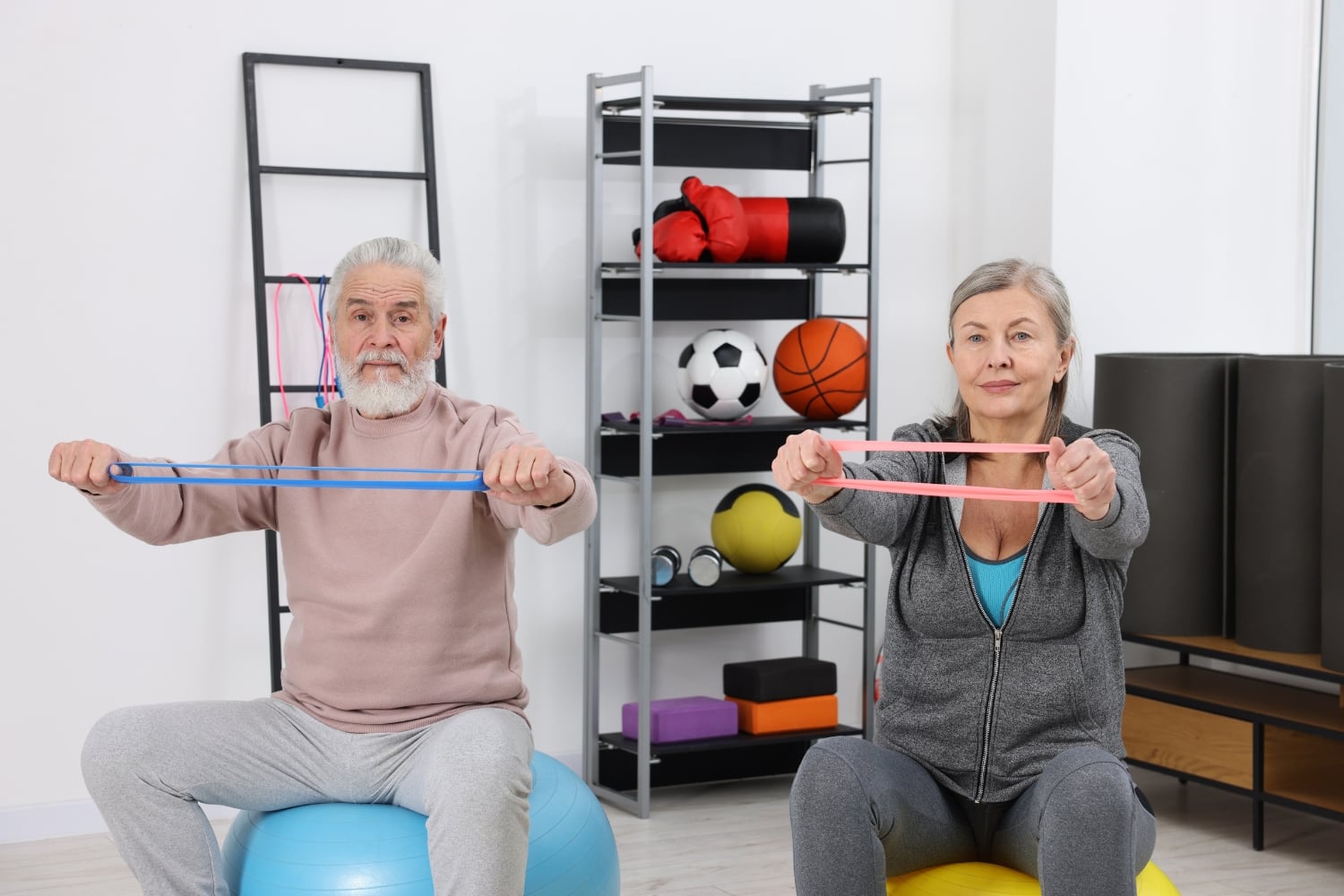
4. Strength Training
Muscle doesn’t just look good. It protects your joints and keeps your bones strong. For Parkinsons, we focus on the postural muscles like your back, glutes, and core. These are the muscles that keep you standing tall and stop that stooped gait that often comes with the condition.
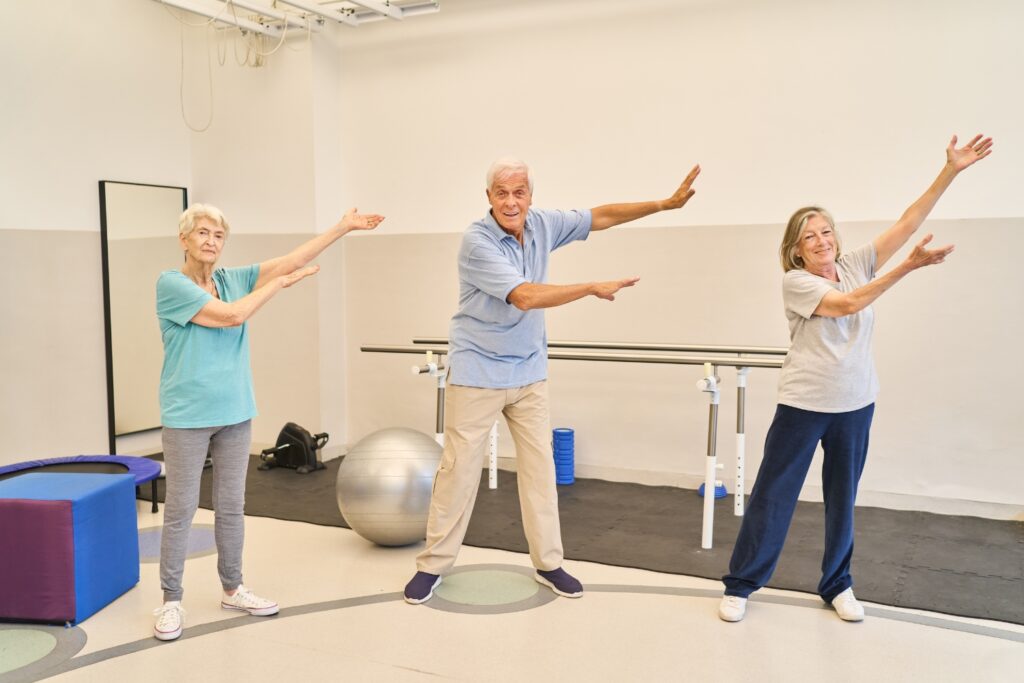
Why Doing It in a Group Matters
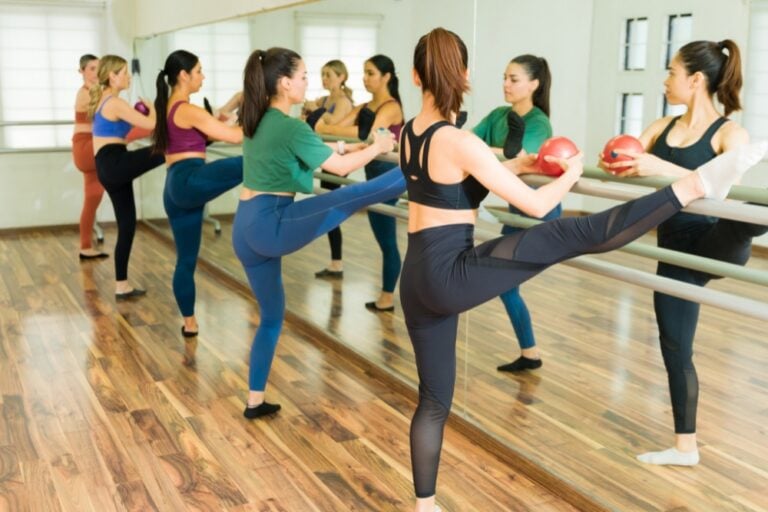
You can absolutely do calf raises in your kitchen, but there is a massive benefit to getting out of the house. Parkinsons can feel isolating. Being in an environment where people get it, where a tremor or a bit of freezing isn’t a big deal, makes a huge difference to your mental health.
If you are looking for a supportive environment to get moving, check out our range of classes at Active Fitness Medowie. We are big on making sure everyone feels welcome, regardless of where they are at with their mobility. Our Mobility Training classes are the perfect place to start, we run them every Thursday at 12.30pm for 1 hour.
A few quick tips for Medowie locals:
- Time it with your meds: Try to exercise when your medication is at its most effective (you’re on period).
- Safety first: If your balance is tricky, use the walls or a sturdy chair. There is no ego here. We just want you to be moving.
The bottom line? The best exercise is the one you, do. No matter if this is your first session, finding more flexibility in a yoga session, or just a purposeful walk around your local neighbourhood, the key is to keep those neural pathways firing.
If you want to have a chat about how we can help you stay active, pop into the gym or give us a call. We are here to help you get moving again, in a safe space.