
Mat Pilates is a structured method that focuses on building core strength, improving mobility, and promoting controlled movement. It’s done on the floor using bodyweight only, making it accessible for beginners and those recovering from inactivity or injury.
Each movement in Mat Pilates targets the stabilising muscles around the spine, pelvis, and hips. These muscles support posture and help the body move safely under load. Unlike high-impact workouts, Pilates emphasises technique and joint control over speed or repetition.
Beginners often benefit from Mat Pilates because it doesn’t require equipment, follows clear movement patterns, and prioritises injury prevention. It allows users to develop better control of their breathing and alignment while learning how to stabilise their body during movement.
Progress is gradual and based on form, not intensity. This makes it a practical entry point for people seeking to improve their physical condition with low strain. The exercises below highlight five movements commonly used to introduce new users to the Pilates method.
How to Prepare Before Starting Pilates

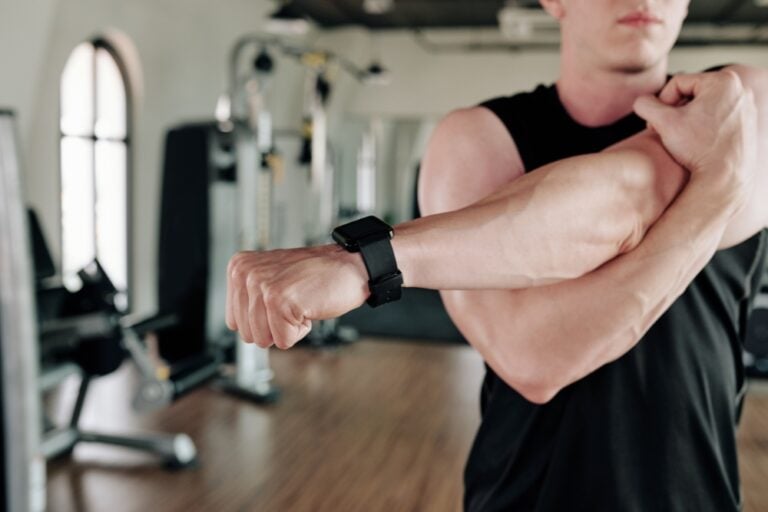
A proper warm-up prepares the body for movement by increasing joint range and softening tight muscles. It also helps reduce injury risk and improve movement quality during each session. For Mat Pilates, warm-ups target the spine, hips, and shoulders using light, low-impact drills.
Begin with torso rotations while standing to improve spinal movement. Continue with leg swings and shoulder rolls to activate hips and upper back. Each movement should be performed slowly and without force.
Spend 5–8 minutes on this preparation, focusing on smooth transitions and stable posture. The goal is to activate key muscle groups, not to raise heart rate. If you feel tightness during warm-up, reduce the range and focus on breathing.
1. The Hundred
This is a controlled breathing and core activation drill. Start by lying on your back with knees bent and arms by your side. Lift the head and shoulders slightly and reach arms forward. Pump the arms gently while coordinating breath—inhale for five pumps, exhale for five.
Beginners can keep their feet on the floor or bring the knees into the tabletop if able. Focus on steady breath and abdominal engagement. Avoid straining the neck or arching the lower back.
Complete five to ten full breath cycles while maintaining tension in the core. This exercise builds endurance and activates stabilisers before larger movements.
2. The Roll-Up
The roll-up trains spinal control and abdominal strength. Begin lying on your back with arms overhead and legs straight. Inhale to prepare. As you exhale, roll the spine off the floor one segment at a time, reaching toward your feet.
If the full range is too difficult, bend the knees slightly or use hands on the legs to assist. The motion should remain slow and even throughout, without using momentum or jerking forward.
This exercise helps with posture, flexibility, and trunk control. Perform 6–8 repetitions while maintaining even breath and smooth movement.
3. Single Leg Circles
Lie flat on your back with arms by your sides. Extend one leg toward the ceiling and keep the other bent with your foot flat on the floor. Begin drawing small, controlled circles with the raised leg while keeping the hips stable.
The goal is to move the leg without shifting the pelvis. If there’s strain in the hamstring, slightly bend the raised leg or reduce the size of the circle. After 6–8 reps in one direction, switch directions, then change legs.
This movement improves hip mobility and reinforces core stability, both essential for daily movement and injury prevention.

4. Spine Stretch Forward
This stretch targets the back and hamstrings while encouraging spinal mobility. Sit on the mat with legs extended hip-width apart. Keep the spine tall, arms extended forward, and feet flexed. Inhale to sit tall, exhale to slowly reach forward, rounding the spine without collapsing.
Go only as far as your hamstrings allow without pulling or bouncing. The movement should come from the spine, not from reaching with the arms.
Inhale to return to sitting tall. Complete 6–8 reps. This exercise promotes better spinal articulation and reduces tension in the lower back.
5. Modified Plank
Planks improve core stability and shoulder strength. For beginners, start with the forearms or hands on the mat and knees on the floor. Keep a straight line from shoulders to knees. Engage the abdominals and avoid letting the hips sag or lift too high.
Hold the position for 10–30 seconds based on control. Focus on maintaining breath and muscle engagement throughout.
As strength improves, the position can be progressed to a full plank on the toes. Avoid collapsing in the shoulders or shifting the weight too far forward.
Cooling Down After Pilates

A structured cooldown supports recovery and improves flexibility. After training, spend a few minutes performing low-intensity stretches focused on the spine, hips, and hamstrings.
Try a child’s pose by kneeling, sitting back on your heels, and reaching forward with your arms. Hold this for 30 seconds while breathing slowly. Follow with a hamstring stretch—extend one leg, bend the other, and reach toward the foot. Maintain a neutral spine and avoid pulling the leg.
Cooldown should last at least 5 minutes. Use this time to bring your heart rate down and release muscle tension before finishing the session.
How to Stay Consistent with Pilates
Consistency supports long-term progress. Aim to practise Mat Pilates 2–3 times per week, starting with short sessions focused on form. Prioritise breath, posture, and range of motion—not speed or intensity.
Progression happens by increasing control, adding time under tension, and gradually improving exercise range. Beginners benefit from tracking routines and noting improvements in stability or mobility over time.
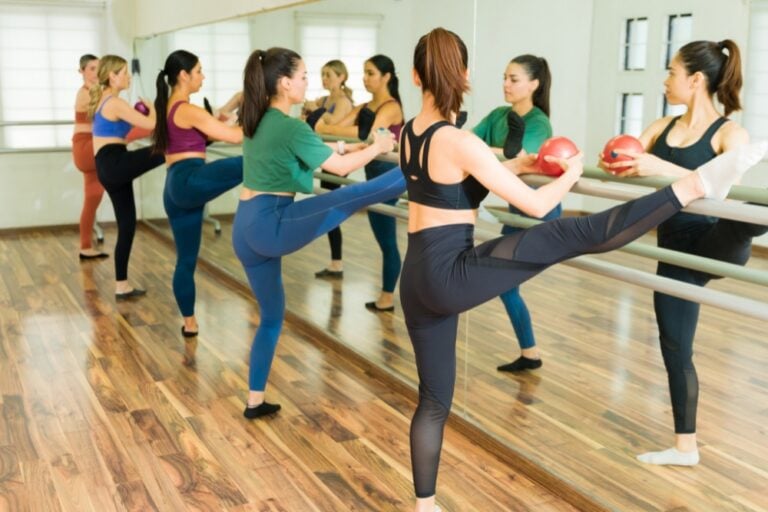
If unfamiliar with certain movements, joining a guided class helps avoid poor habits. An experienced instructor can correct alignment and ensure movements are safe and effective.
Hydration and recovery between sessions also support improvement. Pilates is most effective when integrated into a weekly routine and adjusted to match current ability.
Build Core Strength with Support That Lasts
Mat Pilates builds core strength, balance, and joint control—all through focused, low-impact movement. Results come from consistent work and attention to movement quality, not intensity.
At Active Fitness Medowie, beginner classes are structured around control, posture, and support. Instructors guide each session with a focus on practical improvement, not repetition count.
Join a Mat Pilates session today, build your base, control your movement, and stay consistent across the week.
FAQs
How often should beginners do Mat Pilates?
2–3 times per week with rest days between sessions is ideal for most people starting out.
Do I need equipment to start Mat Pilates?
No. A non-slip mat and floor space are enough for all beginner-level movements.
Is Pilates suitable for people with low flexibility?
Yes. Exercises can be modified to match the current range of motion and progress over time.
How long should a beginner session last?
Start with 20–30 minute sessions focused on 4–5 movements with proper rest and control.
Can Pilates help reduce back pain?
It may help by improving posture and spinal alignment. However, consult a health professional if pain is persistent.