
Choosing the right fitness centre comes down to matching the facility’s staff, session formats, equipment, and location to your specific training goals rather than selecting the most convenient or cheapest option available.
If you are training for weight loss, the right centre needs to offer structured programming, qualified support, and a setup that makes consistent attendance realistic.
This guide breaks down each factor you need to evaluate before joining, including what to avoid and how to confirm a centre is genuinely set up to support your progress.
How to Match a Centre to Your Training Goals
Before inspecting any facility, be clear about what you are trying to achieve. A centre built around powerlifting is a poor match for someone doing low-impact cardio recovery. A large commercial gym with hundreds of machines may still lack the structured group programming that keeps many people consistent.
Use the table below to match common goals to the facility features that support them.
| Training Goal | Key Facility Features to Prioritise |
| Weight loss | Structured group sessions, cardio and circuit equipment, a qualified trainer who can build a progressive program |
| Building strength | Barbells, cable machines, adequate free-weight space, coaching on progressive loading |
| General fitness | Mixed equipment access, varied class schedule, flexible session times |
| Injury rehab or low-impact | Staff qualified in mobility or rehab support, open floor space, low-impact class options |
| Accountability and habit-building | Small group training formats, consistent timetable, staff who track member progress |
The goal is not to find the biggest gym. It is to select a space where training fits your schedule, matches your current level, and can adjust as your goals change.
Location and Accessibility
A fitness centre must be easy to reach or it will limit consistency. Long travel times or difficult parking can reduce how often you actually train, particularly during busy weeks. A location near home, work, or school makes attendance more sustainable over time.
Opening hours should match your available time. A 24-hour facility may work for some people, while others benefit from centres with staffed hours and scheduled classes. Check whether peak times affect equipment availability or class sizes.
If you use public transport or cycle, confirm the route is safe and runs at the times you need. For drivers, look at parking space, time limits, and safety during evening sessions.
A location that sits near childcare, groceries, or other regular stops makes it easier to include training without extra planning. The practical goal is to remove friction from the decision to attend.
Equipment and Training Options
Fitness centres vary significantly in equipment quality, range, and condition. Some offer only basic machines; others provide full training setups across cardio, strength, and functional areas. Before joining, inspect the equipment directly and ask what is available during busy periods.
Core areas to check before joining:
- Cardio: treadmills, bikes, rowing machines
- Strength: barbells, dumbbells, cable machines
- Functional and floor space: open areas for bodyweight or circuit work
- Recovery: mats, mobility tools, foam rollers
Ask how often equipment is maintained or replaced. Well-maintained equipment reduces injury risk and unplanned session interruptions.
If your goal requires a specific training style, such as group circuits for weight loss, low-impact sessions, or progressive strength work, confirm these are available and regularly scheduled. A centre with varied training options gives you room to progress.
Limiting your options too early leads to faster plateaus and reduced motivation.
Staff Experience and Support Services
Staff quality is one of the most important factors, particularly if you are new to structured training or returning after a break. A fitness centre should have qualified trainers available during operating hours who can guide correct technique, advise on safe loading, and help you build a realistic program.
Trainers should hold recognised certifications in fitness instruction or personal training. If rehab, mobility, or specialised support is offered, confirm that staff are qualified to provide those services. Centres with qualified personal trainers on the floor during sessions give members a practical safety net that self-directed gym use does not.
Ask specifically whether an induction session is included in the membership. For anyone starting a weight loss program, professional guidance on structuring progressive workouts and managing recovery reduces the risk of overtraining, strain, or stalled progress.
Check staff availability across weekdays and weekends. A centre that is well-staffed during peak hours but unstaffed or minimally supervised at other times may not suit your schedule.

Session Types and Membership Flexibility
Fitness centres deliver sessions in different ways. Some focus on open equipment access; others are built around structured classes. Choose based on how you plan to train, not just what the membership price suggests.
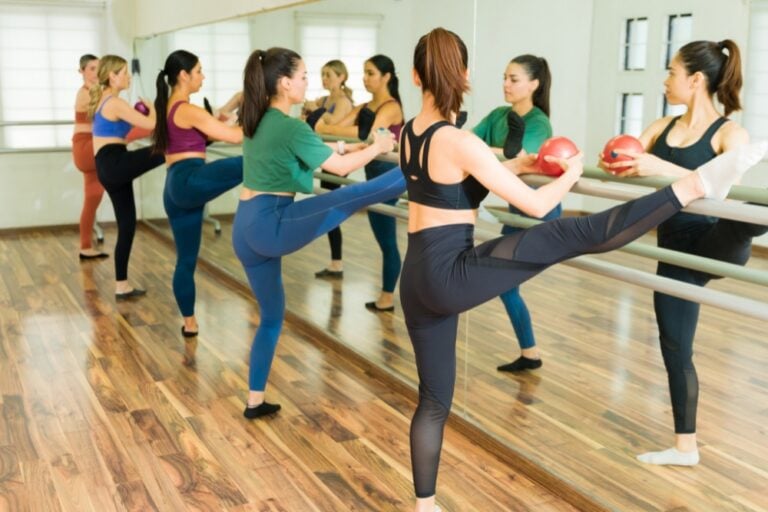
Group sessions may include strength circuits, cardio intervals, mobility work, or recovery-focused formats. Ask how often the timetable changes and whether sessions are adjusted based on skill level. If classes are consistently full or too general, they may not support the progressive improvement needed for weight loss over time.
Small group training is worth considering if you want more coaching attention than a large class provides but are not yet ready for individual personal training. The structured environment also adds a level of accountability that open gym access does not.
On membership terms, check for:
- Month-to-month access rather than long lock-in contracts
- Trial periods or day passes before you commit
- Membership holds for travel, illness, or schedule changes
- Any added fees for specific classes or facility areas
A well-structured membership reflects how often you actually train, not just the day you signed up.
What to Avoid When Choosing a Centre
Low prices or promotional sign-up offers can mask real problems. Look beyond cost and check whether the facility supports consistent, safe training over time.
Common red flags:
- Damaged or poorly maintained equipment
- Staff not present during peak training hours
- Overcrowded floor space or blocked walkways
- Limited class availability or unclear booking rules
- Contracts that restrict access or make pausing difficult
Avoid centres that rely entirely on online sign-up without offering any walkthrough or trial period before payment. A quality facility will let you inspect the floor, ask questions, and attend a session so you can confirm the setup actually suits your needs.
If the gym is not clean, the staff are unavailable, or the intake process feels rushed, those patterns tend to reflect how the centre operates long term.
Training Support at Active Fitness Medowie
At Active Fitness Medowie, members have access to structured training formats, open gym time, and staff who are qualified and present during operating hours. Every new member receives a clear overview of the facility and available training options.
The facility offers a timetable of scheduled classes alongside open access, with class sizes managed to keep sessions practical. Equipment is maintained and membership options are built around different training needs and actual usage patterns. Member progress is reviewed with feedback that supports improvement over time.
If you want to see the floor, ask questions, or try a session before committing, you can join a session to get a direct sense of how the facility works.
Frequently Asked Questions
How do I know if a fitness centre is right for my weight loss goals before joining?
Ask to inspect the facility and attend a trial session. Check that the class timetable includes structured cardio or circuit formats, that staff are qualified and present during sessions, and that the membership allows changes if your schedule shifts.
Do I need a personal trainer to lose weight at a gym?
Not necessarily, but access to qualified staff makes a measurable difference. Structured programs reduce guesswork, help you avoid overtraining, and keep intensity progressive rather than static. Even an initial induction session with a trainer provides a more useful starting point than self-directed trial and error.
What should I look for in group fitness classes for weight loss?
Look for sessions that include progressive intensity, are run by a qualified instructor, and have a manageable class size. Ask whether sessions are suitable for your current fitness level and whether the timetable is consistent enough to build a reliable routine around.
How do I tell if a gym has poor equipment maintenance?
Inspect the facility in person during a busy period. Look for machines with visible wear, out-of-order signs, or missing cable attachments. Ask the staff how often equipment is serviced or replaced. A well-run centre will have a clear answer.
What membership terms should I avoid?
Avoid long fixed-term contracts that make it difficult to pause or cancel, memberships with significant hidden fees for classes or facility areas, and centres that cannot offer a trial or walkthrough before you commit.
Is small group training better than large group classes for weight loss?
It depends on your preference for coaching attention and accountability. Smaller formats typically allow the trainer to correct technique and adjust intensity for individuals, which can be more effective than a large undifferentiated class, particularly in the early stages of a program.